In the current digital landscape, an image is rarely just a file; it is the frontline of your brand’s identity. However, not every photo begins its life as a high-resolution masterpiece. Whether you are dealing with an old family archive, a low-quality web asset, or a snapshot taken in poor lighting, a photo enhancer serves as the ultimate restorative engine, breathing new life into pixels that were previously flat or undefined.
Moving beyond simple filters, modern enhancement is about a fundamental reconstruction of quality.
The Architecture of Enhancement
A professional-grade photo enhancer does not merely “brighten” a photo. Instead, it utilizes a sophisticated set of operations to rebuild the image from the ground up:
- Upscaling Without Distortion: Traditional stretching makes an image look “blocky” or pixelated. An enhancer uses intelligent interpolation to add new pixels that match the surrounding colors, allowing you to increase the size of an image while actually improving its clarity.
- Neural Noise Reduction: In low-light photography, “grain” often obscures the subject. Enhancement technology can distinguish between the actual texture of an object and the digital noise created by a camera sensor, wiping away the grit while keeping the detail intact.
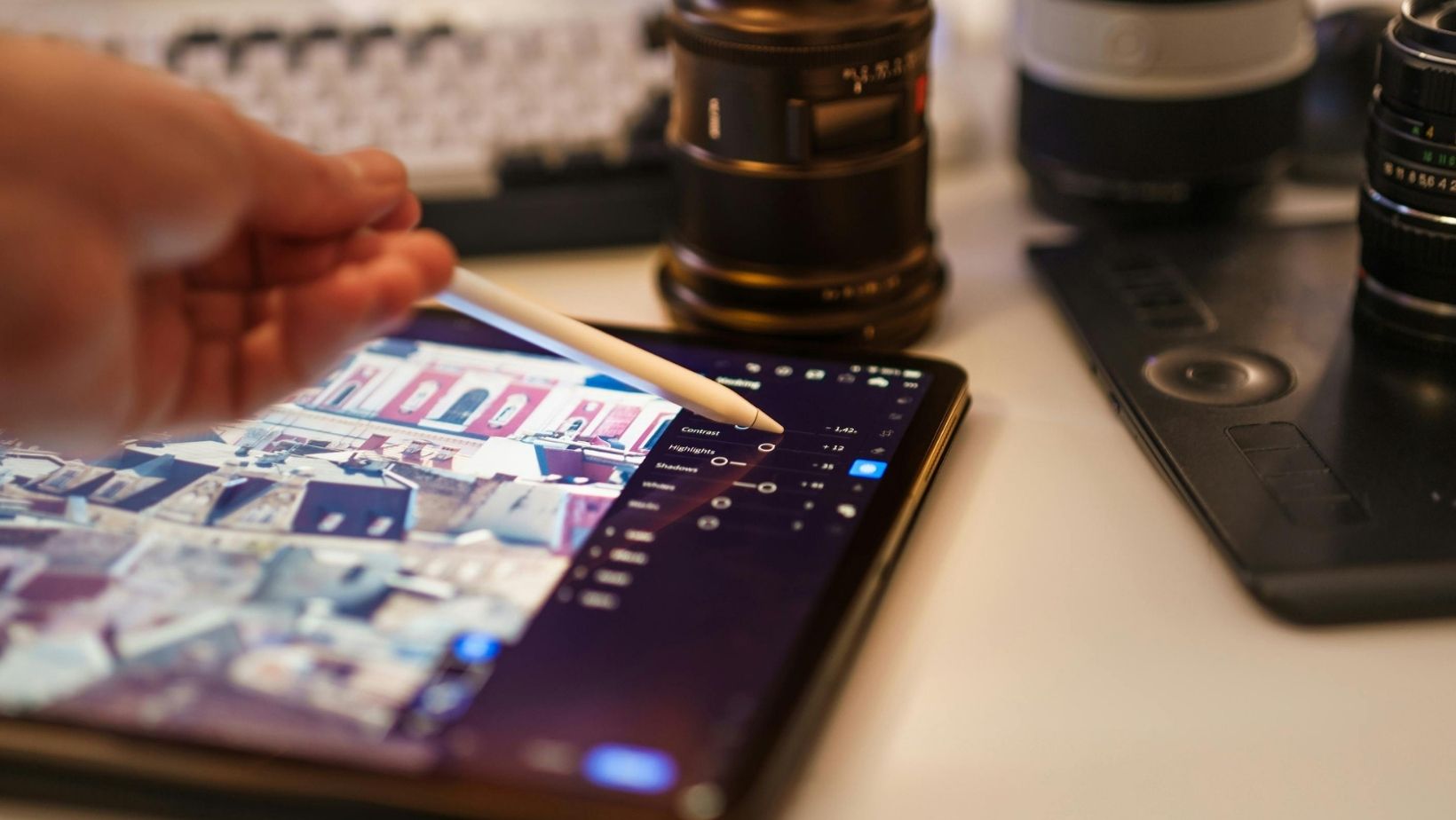
- Color and Dynamic Range Expansion: Often, a photo looks “dull” because the camera failed to capture the full spectrum of light. Enhancers analyze the shadows and highlights, pulling out hidden details in the dark areas and preventing the bright spots from looking “washed out.”
Beyond the Lens: Strategic Applications
The utility of a photo enhancer extends far into the world of professional content strategy and personal preservation.
Elevating Brand Presence For businesses, the difference between a high-resolution hero image and a blurry, low-res graphic is the difference between trust and skepticism. Enhancing product photos ensures that customers can see the fine grain of leather, the shimmer of jewelry, or the precise text on a label, providing a tactile experience through a digital screen.
Preserving the Past We all have “legacy” photos—scanned images from decades ago that suffer from fading or low-resolution digital capture. An enhancer can act as a digital time machine, sharpening the features of ancestors and restoring the vibrant colors of historical moments, making them suitable for modern printing or large-scale displays.
Optimizing for Social Reach Social media algorithms prioritize high-quality, high-contrast imagery. By running a quick mobile snap through a photo enhancer, you ensure that your content meets the “technical threshold” for engagement, standing out in a crowded feed with professional-grade sharpness and color pop.
The Professional’s Approach to Enhancement
To achieve the most natural and impactful results, the process should be handled with a “light touch.” The goal is to make the photo look like it was captured by a better camera, not like it was generated by a computer.
The most effective workflow involves starting with a clear goal: are you trying to recover a lost detail, or are you trying to prepare a small image for a large print? By focusing on the integrity of the subject, a photo enhancer ensures that the final result is not just a larger image, but a more powerful one.
In an era where everyone is a creator, the tools that bridge the gap between “amateur” and “pro” are invaluable. Clarity isn’t just a technical spec—it’s the way you ensure your vision is seen exactly as you intended.